
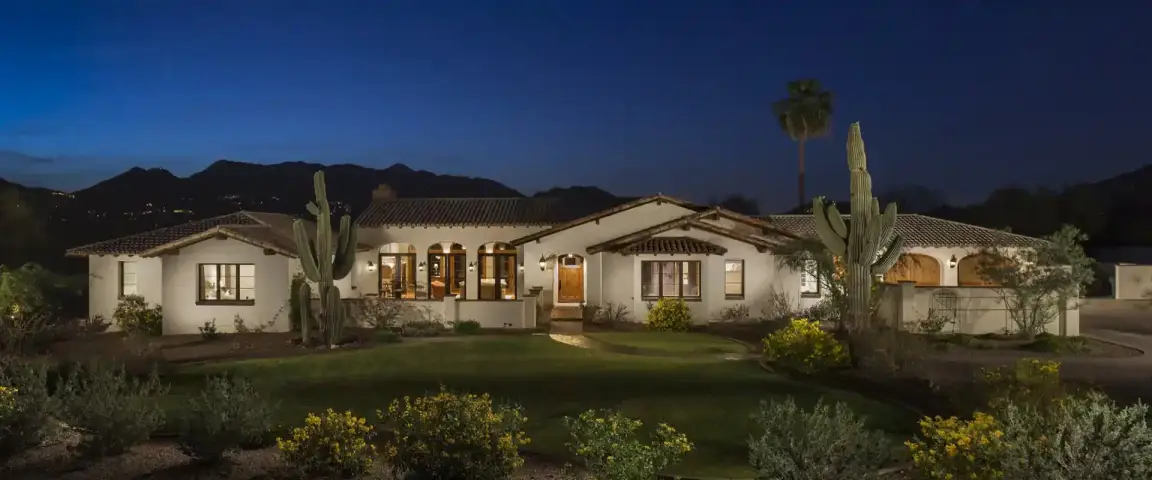
The Phoenix housing market continued cooling in early 2026. Home prices are slightly down year-over-year, selling timelines remain extended, and cash buyers continue to play a major role in keeping demand steady. Here’s what the numbers show and what they mean for local homeowners. Sellers are adjusting to a more balanced pace, but values are holding relatively well in many neighborhoods.
Last updated May 2026 – data from Redfin & ARMLS data through April/May 2026
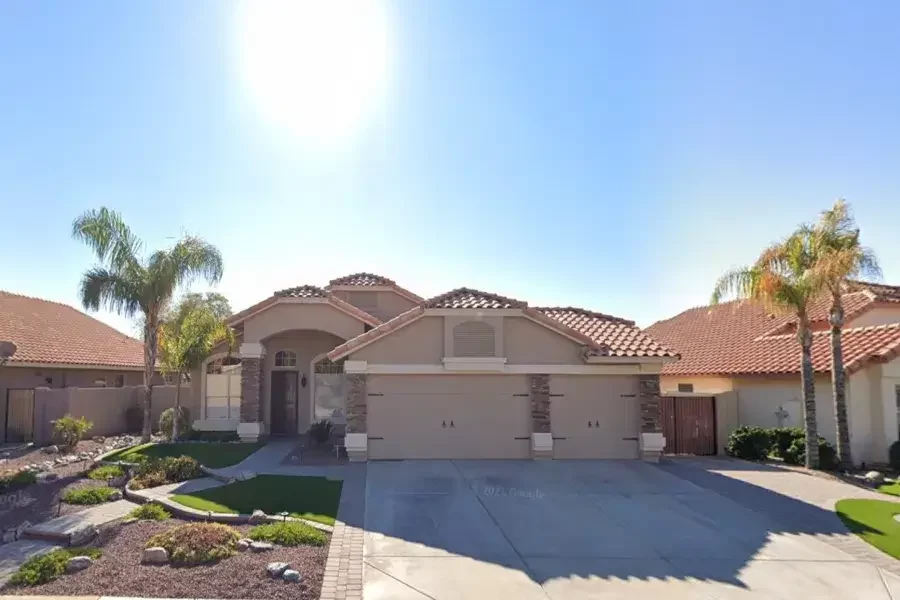

Phoenix Neighborhoods
As of Q1/Q2 2026, the median sale price in Phoenix is approximately $460,000, down modestly compared to last year.
While some areas are holding strong, others are showing slight declines, signaling a balanced and more negotiable market.
- Overall Phoenix median sale price: ~$460,000 (March 2026, down ~5% YoY).
- South Phoenix: ~$450,000 (down ~4% YoY)
- Camelback East: Still premium, ~$680,000+ (more resilient)
- North Phoenix: ~$500,000–$510,000 (down ~3–4% YoY)
Stephen Rockwell – Arizona’s Original Cash Buyer Since 1999

Selling Timelines: Why Days on Market Are Stretching
Homes are taking longer to sell in Phoenix. The average time on market is now around 51–56 days.
- Roughly 30–40% of listings close in under 30–45 days (more competition for well-priced homes).
- A significant portion (20–25%) still take more than 90 days.
This slower market means sellers may wait months before getting to the closing table. Many homeowners instead compare their options with a written cash offer in Phoenix.
Cash Buyers & Investors: The Hidden Force in Phoenix Sales
Cash buyers remain a major driver of activity in the Phoenix housing market. In recent months, cash purchases continue to represent a strong share (typically 28–32% range), well above the national average, especially in affordable neighborhoods. Local sellers often turn to trusted Phoenix cash home buyers when they want speed and certainty.
Affordable neighborhoods like South Phoenix continue to attract both investors and local cash home buyers, keeping demand steady despite slower conditions.


Forecast: What’s Ahead for the Phoenix Market
Most local real estate experts expect the Phoenix housing market to remain balanced and slower through 2026. Prices have seen modest declines rather than dramatic drops, but higher mortgage rates (still in the 6%+ range) and longer days on market are leading to fewer bidding wars and more cautious buyers.
With longer timelines and more cautious buyers ahead, many Phoenix homeowners are looking at other options. Selling directly to a local cash buyer, rather than waiting months for a realtor to bring a buyer, is a solid option.

Phoenix Real Estate Trends to Watch for 2026
Looking ahead through the rest of 2026, the Phoenix housing market is expected to remain balanced, according to predictions. But, with growth dependent on interest rates and inventory levels, predictions are uncertain.
- Mortgage Rates: Rates have eased somewhat but remain elevated. Analysts expect possible further gradual declines.
- New Construction: Still active in West Valley (Buckeye, Goodyear) and Southeast (Queen Creek).
- Investor Activity: Institutional investors have cooled.
- Rental Pressure: Continues in areas like South Phoenix and Laveen.
For sellers, this means a balanced market, and slower than 2021’s frenzy but far from a downturn.

Tips for Phoenix Homeowners Planning to Sell in 2026
If you’re thinking about selling within the next year, a few simple strategies can help you get the best results:
- Price Realistically: Overpricing can stall your listing for months. Study recent comparable sales.
- Focus on Minor Fixes: Stick to light updates, paint, landscaping, and decluttering to deliver a strong ROI.
- Stay Flexible: Buyers are cautious in slower markets; flexibility on closing dates helps deals close faster.
- Compare Selling Options: Many Phoenix homeowners explore selling directly to a local cash buyer to avoid commissions, showings, and repair costs.
The key is to sell smart, not rushed, especially as the market balances.
What’s Driving Demand Across the Valley
Even with slower appreciation, the Greater Phoenix metro remains one of the nation’s strongest real estate regions. Several factors keep the market moving:
- Job Growth: Employers like Intel, TSMC, Mayo Clinic, and Amazon continue to expand, adding thousands of jobs.
- Population Growth: Over 85,000 people move to Maricopa County each year, driving long-term housing demand.
- Infrastructure Expansion: New freeway extensions and Valley Metro Light Rail growth are improving commute times.
- Affordability: Compared to San Diego, Denver, and Austin, Phoenix remains a relatively affordable market, drawing out-of-state buyers.
These fundamentals point to a strong, stable base of demand that supports prices long term.


What This Means for Sellers Right Now
If you’re planning to sell in Phoenix, the data shows:
- Traditional listings may require repairs, showings, and months of waiting.
- Home values are holding, but not climbing quickly.
- Cash buyers remain a reliable force for fast, certain sales.
➡️ Curious how these numbers impact your home?
See our full Phoenix page here: Sell Your House Fast in Phoenix to compare a fair cash offer vs. a traditional Realtor listing.


Phoenix Housing Market FAQs (Updated Quarterly)
Are Phoenix home prices going up or down in 2026?
Phoenix home prices are slightly down year-over-year in early 2026, with the median around $460,000. Some neighborhoods are holding steady while others show modest declines.
How long does it take to sell a house in Phoenix right now?
In recent months, the average time on market has been 51–56 days. Well-priced homes can sell faster, but many take longer than in previous years.
Are cash buyers still active in the Phoenix housing market?
Yes, cash buyers remain active and influential, particularly in affordable segments like South Phoenix. They provide certainty and speed in a more balanced market.
Sources
Arizona Regional MLS (ARMLS) STAT Report, Redfin Market Data (Q1/Q2 2026).